Terra and Luna Analytics Takes Third Place at the NASA Space Apps Challenge 2026 in Budapest
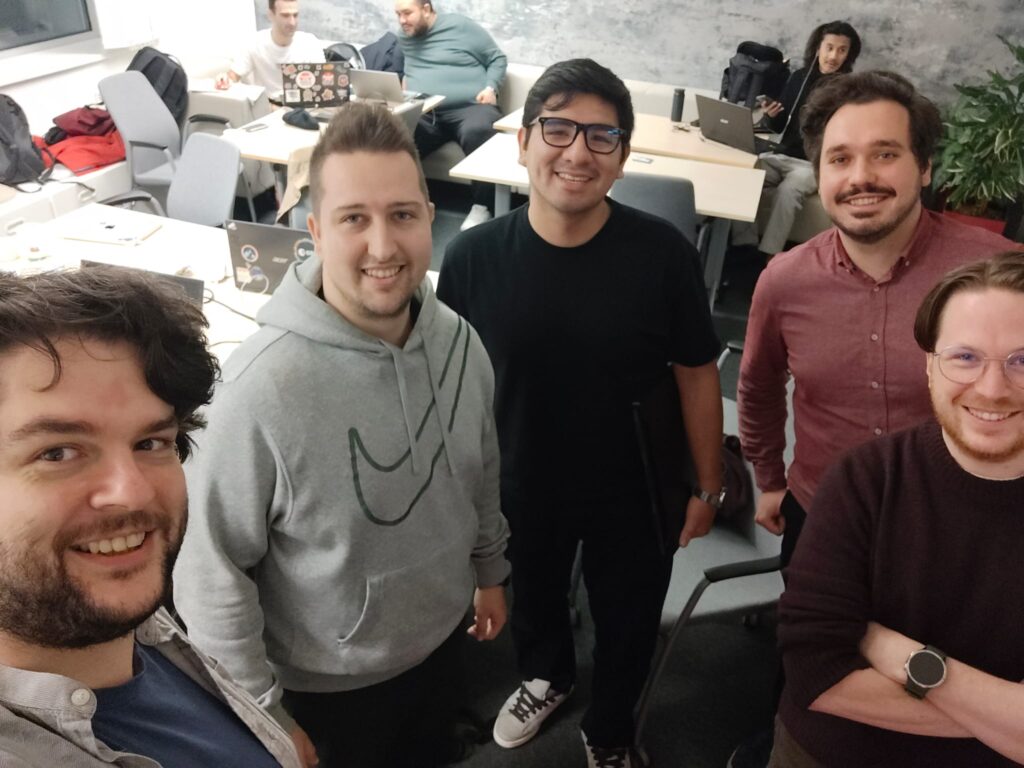
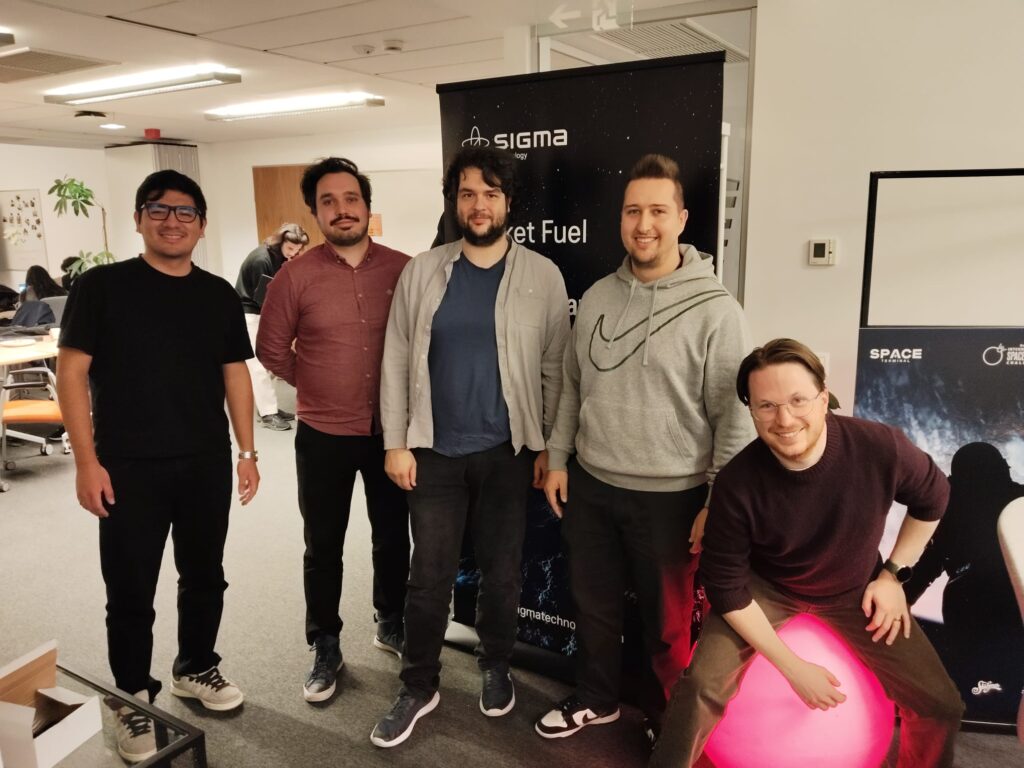
An international team of six students and young professionals, Terra and Luna Analytics, secured third place at the Budapest local round of the NASA Space Apps Challenge 2026, held this past weekend. Competing against 32 teams and 103 participants, the team presented an innovative, data-driven solution aimed at protecting bees and strengthening cooperation between beekeepers and farmers.
The NASA Space Apps Challenge, the world’s largest annual hackathon, brings together participants from around the globe to tackle real-world challenges using open data provided by NASA and other space agencies. Over an intensive 48-hour period, teams develop innovative solutions that combine science, technology, engineering, and creativity to address pressing global issues.
HappyBee: Bringing Satellite Data to the World of Beekeeping
The Terra and Luna Analytics team, consisting of six international members, primarily students from Óbuda University (OE), chose the challenge „Field Shift: Adapting Farms with NASA Data.” Their project focused on an increasingly important environmental issue: protecting pollinators by improving communication and coordination between farmers and beekeepers.
The team developed HappyBee, a software solution that uses Earth observation data to estimate pollen availability and visualize its spatial and seasonal distribution. By combining information about different tree species and their flowering periods, the application helps identify areas with favorable conditions for bees throughout the year.
The platform also allows farmers to provide information about their crops, including their location and cultivated area. Using this data, beekeepers can assess potential relocation opportunities, estimate the costs of moving their hives, and optimize their routes accordingly.
A key technological aspect of the project was the integration of multiple satellite imagery layers and Earth observation datasets. The team also incorporated the latest NISAR radar data to estimate vegetation coverage, demonstrating how advanced space technologies can support practical agricultural and environmental applications.
Beyond developing the initial software solution, the team also placed significant emphasis on validation. Their estimates were compared against historical measurements to evaluate the reliability of the system and strengthen the foundations for its further development.
International Collaboration and a Podium Finish
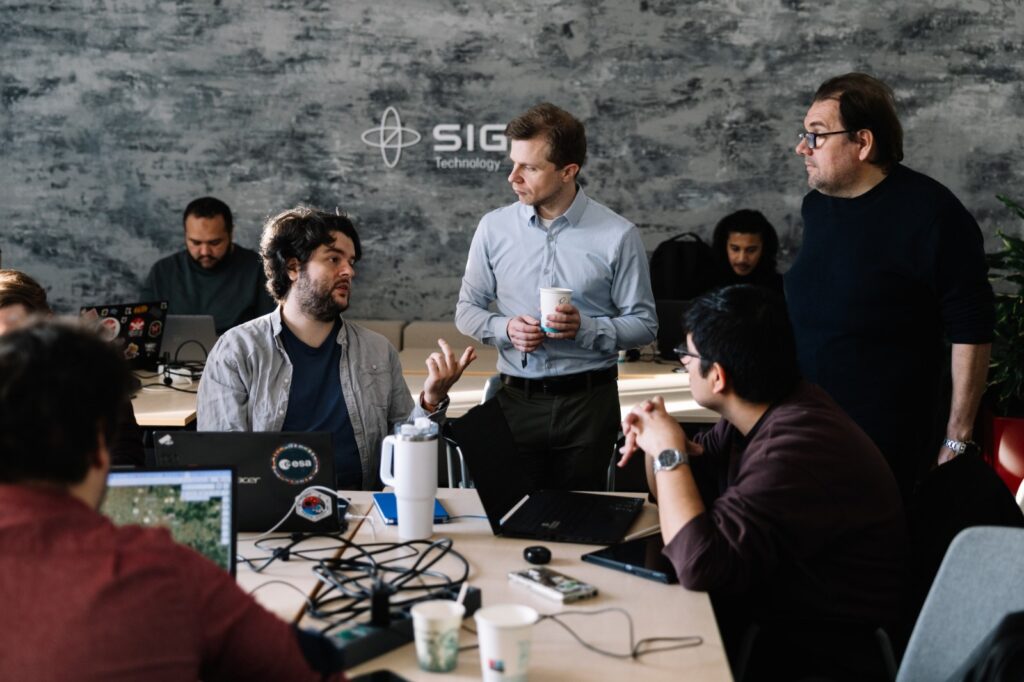
Developing the project within just 48 hours was a considerable professional challenge. Working in an international team, integrating complex datasets, and combining different technical approaches under significant time pressure required strong coordination and adaptability.
However, the team’s diverse expertise in engineering, data analysis, and business development proved to be a major advantage. By bringing together these different perspectives, Terra and Luna Analytics successfully transformed an ambitious concept into a working minimum viable product (MVP).
The team’s efforts were rewarded with third place in the Budapest local round. The project also received encouraging feedback from several mentors, who highlighted its practical potential and recommended further development with a view to bringing the solution to market.
The recognition represents an important milestone for the team and demonstrates how satellite data, innovative software development, and interdisciplinary collaboration can contribute to addressing real-world environmental challenges.
Explore the Project
The team has made its solution and development work publicly available:
- Try the working MVP – HappyBee: https://happybee.happyhill-b1bb4730.northeurope.azurecontainerapps.io
- Explore the project presentation – NASA Space Apps Challenge: https://www.spaceappschallenge.org/2026/find-a-team/terra-and-luna-analytics/?tab=project
- Access the source code – GitHub: https://github.com/gabboraron/NASA_SpaceAppsChallenge2026-Terra_and_Luna_Analytics
With HappyBee, Terra and Luna Analytics aims to demonstrate that space-based technologies are not limited to scientific research or exploration: they can also provide practical tools for more sustainable agriculture, biodiversity protection, and a better future for pollinators.